
Why Is My Cat Drinking So Much Water?
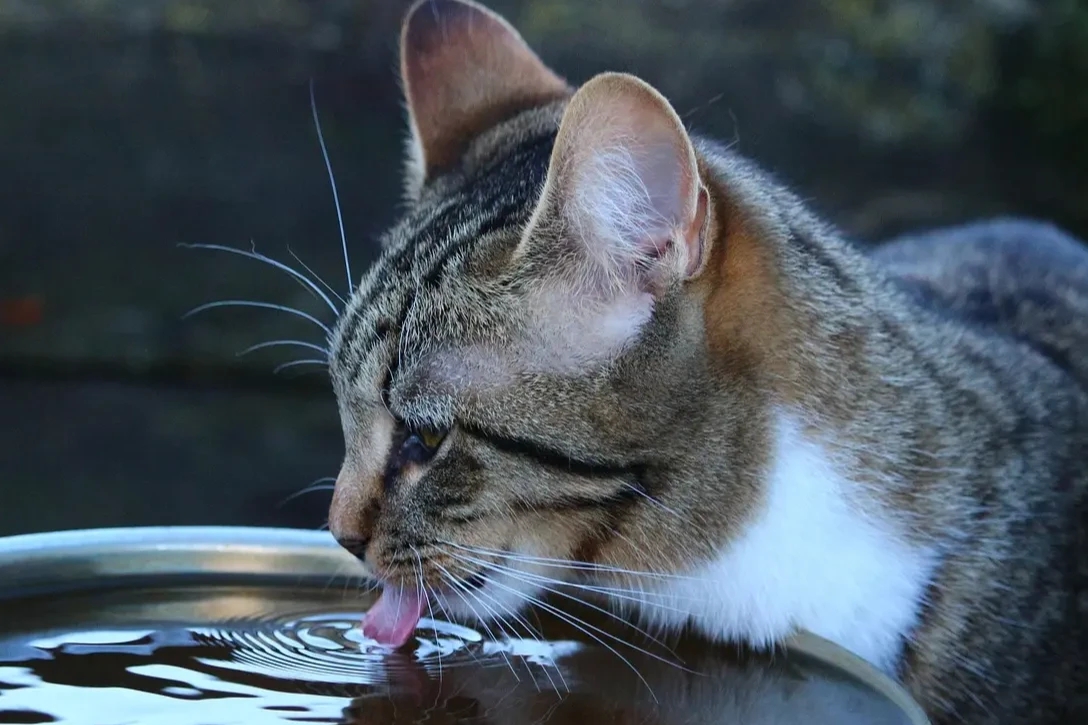
You fill the water bowl in the morning and it is nearly dry by dinner. Or maybe your cat has started perching on the bathroom sink, waiting for the faucet. If you have found yourself wondering why your cat is drinking so much water, you are asking exactly the right question. A rise in thirst is one of the earliest and most useful clues a cat can give us that something inside has changed, often well before they look or act sick.
The good news is that extra drinking is not automatically bad news, and the conditions behind it are frequently very manageable when they are caught early. This guide walks through what normal looks like, the harmless and medical reasons for increased thirst, how to measure your cat's intake at home, and when to call us.
How Much Water Should a Cat Drink in a Day?
Cats are not big drinkers by nature, which is part of why a change stands out. According to the Cornell Feline Health Center, a typical 10-pound cat needs roughly one cup of water a day in total. That total includes the moisture in food, and canned diets can be as much as 80% water. A cat eating mostly wet food may barely touch the bowl, while a cat on kibble gets nearly all of its water by drinking.
Veterinarians use a fairly generous threshold before calling thirst abnormal. In a WSAVA Congress paper by Dr. Richard Nelson of the UC Davis School of Veterinary Medicine, normal intake for cats and dogs is described as about 20 to 70 mL per kilogram of body weight per day, and excessive drinking (polydipsia) is defined as more than 100 mL per kilogram per day. Here is what that means in kitchen measurements:
- 8-pound cat: concern starts above about 360 mL, or roughly 1½ cups, per day
- 10-pound cat: concern starts above about 450 mL, or just under 2 cups, per day
- 12-pound cat: concern starts above about 545 mL, or roughly 2¼ cups, per day
Numbers are only half the story, though. The same paper notes that when an owner is confident their cat's drinking or urination has changed, it can still be worth investigating even if the measured amount falls in the normal range. You know your cat's routine better than anyone, and a clear change from their own baseline matters.
Harmless Reasons Your Cat May Be Drinking More
Before assuming the worst, consider whether something in your cat's life has shifted recently. These explanations usually show up as a short-term bump rather than a steady climb over weeks:
- A diet change. Switching from canned food to dry food removes a large share of your cat's daily water, so the bowl has to make up the difference.
- Hot weather or extra activity. Warm days and energetic play sessions both raise water needs for a while.
- Recovering from a stomach upset. A bout of vomiting or diarrhea causes fluid loss, and a cat may drink more for a day or two afterward. If the vomiting or diarrhea continues, that is a reason to call.
- Certain medications. Cornell lists diuretics, which are commonly prescribed for heart disease, among the drugs that increase water loss. If your cat recently started a new prescription, mention the thirst change at your next recheck.
If none of these fit, or the extra drinking lasts more than a few days, it is time to look for a medical cause.
Medical Causes of a Cat Drinking So Much Water
In most cats, increased thirst is the body's response to losing more water than usual through the urine. The cat is not drinking more because it wants to; it is drinking to keep up. Three conditions account for a large share of the cases we see, especially in middle-aged and older cats.
Chronic Kidney Disease
Kidney disease is extremely common in senior cats. The Cornell Feline Health Center estimates it affects up to 40% of cats over age 10 and up to 80% of cats over 15. As the kidneys lose the ability to concentrate urine, a cat produces more dilute urine and drinks more to compensate. Early on, that may be the only sign. Later, cats may lose weight, eat less, look unkempt, and seem tired.
Kidney disease cannot be reversed, but it can often be slowed. Cornell reports that cats with CKD fed a prescription kidney diet have lived two to three times longer in some studies than cats on standard food, and an earlier diagnosis generally means a better outlook.
Diabetes Mellitus
When blood sugar climbs too high, glucose spills into the urine and pulls water out with it. The result is more urine, a tendency toward dehydration, and a cat that keeps returning to the bowl. Per Cornell's feline diabetes overview, the two signs owners most often notice are increased thirst and urination, and weight loss despite a hearty appetite. Obesity is the biggest risk factor; overweight cats are up to four times as likely to develop diabetes as cats at an ideal weight.
Treatment has improved a great deal. Insulin remains the standard of care, and once-daily oral medications approved in 2023 are an option for some newly diagnosed cats. With early, consistent treatment, many diabetic cats go into remission and no longer need insulin.
Hyperthyroidism
An overactive thyroid gland speeds up nearly every system in the body. According to Cornell, the most common signs are weight loss, a bigger appetite, and increased thirst and urination. Some cats also become hyperactive, vomit, have diarrhea, or develop a greasy or matted coat. The outlook with treatment is generally good, and options include daily medication, radioactive iodine therapy, surgery, and a prescription diet.
Other Possibilities
Less commonly, extra thirst can come from a kidney infection, liver disease, high blood calcium, or other hormonal and metabolic problems listed in the UC Davis paper above. Because several of these conditions can show up together in older cats, and because hyperthyroidism can affect the heart and kidneys, your veterinarian will usually look at the whole picture rather than testing for one thing at a time.
Big Clumps or Tiny Ones? What the Litter Box Is Telling You
More drinking almost always means more urine, and the litter box is where many owners spot the change first. The type of change is worth paying close attention to, because two very different problems can look like "peeing a lot":
- Larger or heavier clumps, more often. This pattern fits a cat that is truly producing more urine, which goes hand in hand with drinking more. Schedule a visit within the next several days.
- Lots of trips with small or no clumps. This usually points to bladder discomfort rather than extra urine. Cats with lower urinary tract problems may strain, cry, lick at their hind end, or urinate outside the box.
That second pattern can become an emergency. The Cornell Feline Health Center warns that a cat with a blocked urethra may pass little or no urine, grow more distressed over time, and can die in as little as 24 to 48 hours without treatment. Male cats are at greater risk. If your cat is straining and producing almost nothing, call us or an emergency hospital right away; do not wait to see if it resolves.
If your cat has started having accidents around the house, our article on why cats avoid the litter box covers other causes worth ruling out.
How to Measure Your Cat's Water Intake at Home
A simple 24-hour measurement gives your veterinarian real data instead of a guess. It also helps you confirm whether a change is real before you worry.
- Measure what goes in. Use a measuring cup to fill the bowl with a set amount, such as 2 cups, at the same time each morning.
- Measure what is left. Twenty-four hours later, pour the remainder back into the measuring cup and subtract.
- Account for evaporation. Set an identical bowl with the same amount of water somewhere your cat cannot reach and subtract whatever it loses.
- Cover every source. Turn off a dripping faucet, close the toilet lid, and include any fountain in your measurements.
- Repeat for three days. Daily intake naturally varies, so an average is more reliable than a single reading. Write the numbers down and bring them to the appointment.
In a multi-pet home, an exact number for one cat is hard to get. Tracking total household intake over several days, and noting whether it has gone up compared to a typical week, is still helpful.
One important rule: never limit water to see whether your cat drinks less. A cat with kidney disease or diabetes is already losing extra water, and taking the bowl away can push them into dehydration quickly. Cornell notes that dehydration can speed up kidney damage in cats with CKD.
What to Expect at Your Cat's Veterinary Visit
Finding the cause of increased thirst is usually straightforward with the right tests. A typical workup includes:
- A thorough exam and weigh-in. Weight loss is an important clue, and your veterinarian will feel the neck for an enlarged thyroid and assess hydration.
- Bloodwork. A complete blood count and chemistry panel check kidney values, blood sugar, liver values, and electrolytes. In older cats, a thyroid level (T4) is part of the standard first round.
- Urinalysis and culture. Urine concentration (specific gravity) is one of the most telling results. Dilute urine supports true overproduction of urine, and a culture checks for infection.
- Blood pressure. High blood pressure often accompanies both kidney disease and hyperthyroidism.
Some cats need follow-up testing. For example, stress at the clinic can briefly raise a cat's blood sugar, so a fructosamine test, which reflects average glucose over roughly the past two weeks, may be used to confirm diabetes. For kidney disease, Cornell explains that the newer SDMA marker can rise when about 40% of kidney function is lost, while creatinine often stays normal until roughly 75% is gone.
Ask us before your visit about bringing a urine sample. Non-absorbent litter beads made for this purpose can make home collection easier, though in many cases a sample collected directly from the bladder in the clinic gives the most reliable results.
When to Call Right Away
Increased thirst on its own usually warrants a visit within a few days rather than an emergency trip. Call us the same day, or seek emergency care after hours, if your cat's drinking comes with any of the following:
- Straining in the litter box while producing little or no urine
- Refusing food, or repeated vomiting
- Weakness, wobbliness, or unusual lethargy
- Hiding and not acting like themselves
- A known diabetic cat that seems weak, vomits, or stops eating
Frequently Asked Questions About Cats Drinking So Much Water
How much water should a cat drink a day?
An average 10-pound cat needs about one cup of water daily from all sources, including food. Cats on canned food often drink much less from the bowl. Daily drinking above about 100 mL per kilogram of body weight, which is just under 2 cups for a 10-pound cat, is considered excessive.
Is it normal for older cats to drink more water?
It is common, but it should not be dismissed as normal aging. Kidney disease, hyperthyroidism, and diabetes all become more likely as cats get older, and increased thirst is a common sign of each one. Senior cats who start drinking more deserve bloodwork and a urinalysis.
My cat is drinking a lot of water but acting normal. Should I worry?
Yes, it is still worth a visit. Early kidney disease often causes no obvious illness because the body compensates at first, and the signs of hyperthyroidism tend to be subtle in the beginning. Extra drinking may be the first change you can actually see. Catching these conditions while your cat still feels good gives you the most treatment options.
Should I take water away if my cat is drinking too much?
No. The extra drinking is usually your cat's way of keeping up with water lost in the urine. Removing water does not fix the underlying problem and can quickly lead to dehydration. Keep fresh water available at all times and have your cat examined.
Concerned About Your Cat's Thirst? We Can Help.
If your cat has been drinking more than usual, the team at Lakeside Pet Hospital is here to find out why. We are family-owned, serving Sonoma County for over 40 years, and we care for cats at every life stage. Bring your water measurements if you have them, and we will take it from there.
Call us at (707) 539-3393 or visit us at 4331 Montgomery Dr, Santa Rosa, CA 95405 to schedule an appointment.
References
- Cornell Feline Health Center. Hydration. Cornell University College of Veterinary Medicine.
- Nelson RW. Polyuria, Polydipsia and Diabetes Insipidus. World Small Animal Veterinary Association (WSAVA) Congress, 2002. School of Veterinary Medicine, University of California, Davis.
- Cornell Feline Health Center. Chronic Kidney Disease. Cornell University College of Veterinary Medicine.
- Cornell Feline Health Center. Feline Diabetes. Cornell University College of Veterinary Medicine.
- Cornell Feline Health Center. Hyperthyroidism in Cats. Cornell University College of Veterinary Medicine.
- Cornell Feline Health Center. Feline Lower Urinary Tract Disease. Cornell University College of Veterinary Medicine.
Medically reviewed by: Deepa Sharma, DVM, Lakeside Pet Hospital.
This article is for educational purposes only and is not a substitute for professional veterinary advice, diagnosis, or treatment. If you have concerns about your cat's health, please contact your veterinarian.