
Why Is My Cat Hiding More Than Usual? A Vet's Guide to When It Signals Illness
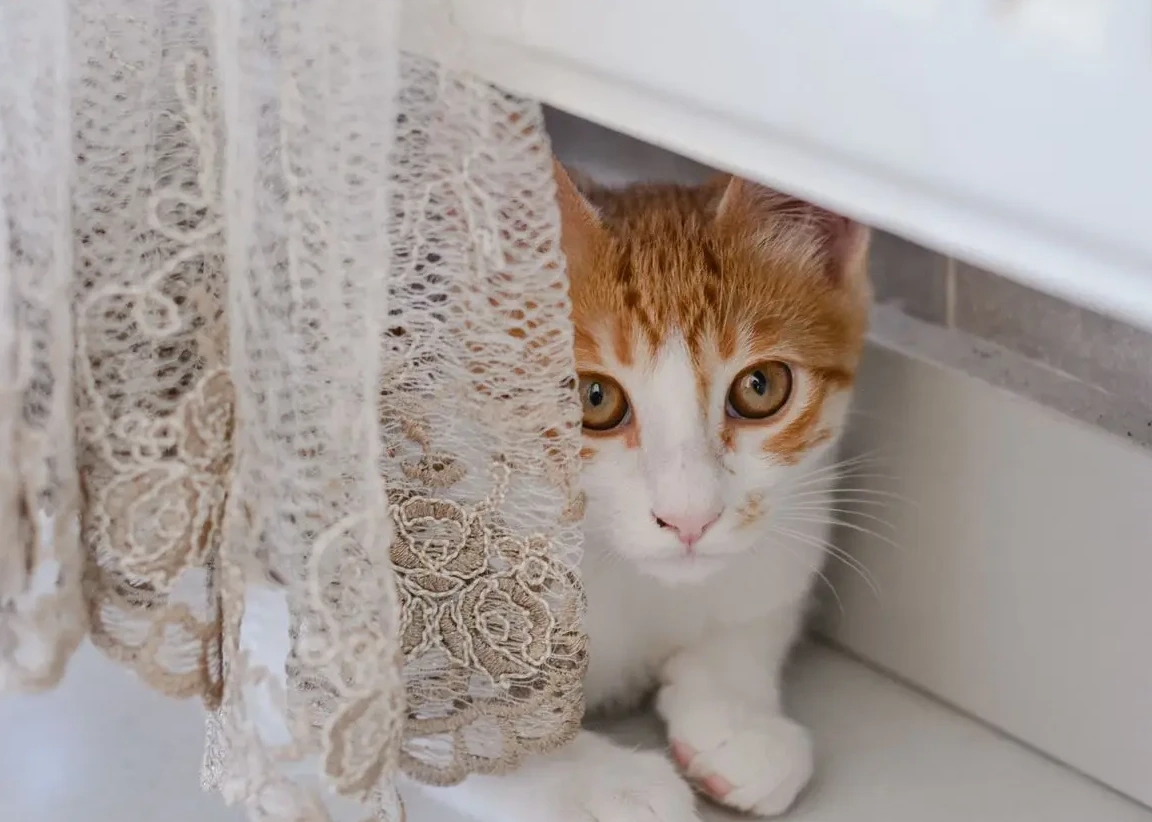
A cat curled up in a closet or under the bed is doing something cats have always done. But when a cat who used to greet you at the door starts vanishing for hours, that is worth paying attention to. Plenty of articles will tell you to give it time and see if the mood passes. In an exam room, we tend to worry sooner, because hiding is one of the main ways a cat covers up pain or illness.
Cats are wired to hide weakness. A vulnerable animal in the wild becomes a target, so a cat who feels unwell heads for somewhere dark and defensible. That instinct works against you as an owner, though, because a cat can look completely normal while something serious develops underneath, and the hiding is often the first crack in the disguise you actually get to see. When it shows up, the question worth asking is which of three things you are dealing with: an emergency, a slower medical problem, or ordinary stress.
Check these first. Hiding becomes an emergency when it comes with certain other signs. Get to a veterinarian right away if your hiding cat is also breathing hard or with an open mouth, has stopped eating, is straining in the litter box without producing urine, has collapsed or has pale or bluish gums, or suddenly cannot use the hind legs. If you see any of these, contact Lakeside Pet Hospital's Emergency & Critical Care team now. The rest of this guide explains why, and covers the many less urgent causes.
Why Cats Hide When They Are Sick
Cats are both predator and prey, and the prey half of that wiring runs deep. For a wild cat, concealing illness or injury was survival: look weak and you draw the wrong kind of attention. House cats never lost the reflex, even with a full bowl and a warm sofa, which is why the instinct is worth understanding before you read anything into a hiding spot.
This is also why cats are so good at looking fine when they are not. A cat with kidney disease may eat and drink normally until the disease is advanced. A cat with an overactive thyroid can seem more energetic, not less. A cat with painful dental disease often keeps eating, just swallowing food more whole. Cornell's Feline Health Center points out that a subtle behavior change is often the earliest sign of illness or pain in a cat, and owners commonly write it off as the cat simply getting older. Hiding is frequently one of the few clues you get, which is exactly why a change in it deserves attention rather than a shrug.
The Combinations That Mean Call Now
Hiding on its own, in a cat who is otherwise eating, drinking, and moving normally, is usually worth watching for a day or two. Hiding paired with any of the following is different, and time matters:
- Hiding and labored or open-mouthed breathing. Cats hide breathing trouble until they are in crisis. Open-mouth breathing or fast, effortful breathing in a resting cat is always an emergency, often pointing to heart or lung disease.
- Hiding and not eating. A cat who stops eating for even a day or two is at real risk, because cats that go without food for a few days can develop hepatic lipidosis, a dangerous and potentially fatal liver condition, especially if they are overweight. Do not adopt a wait-and-see approach with a cat who has gone off food entirely.
- Hiding and straining in the litter box. A cat, particularly a male, who is straining and producing little or no urine may have a urethral obstruction, which can be fatal within a day or two. This overlaps with the warning signs in our guide on why cats stop using the litter box.
- Hiding with collapse, pale or bluish gums, or after any trauma. These can signal internal bleeding, severe anemia, or shock. An outdoor cat who vanished and reappeared hiding may have an injury you cannot see.
- Hiding with sudden hind-leg weakness or crying out in pain. A cat who abruptly cannot use the back legs and seems painful is a true emergency and needs care immediately.
- In these cases the hiding is beside the point. What needs attention is the emergency it is sitting on top of.
Pain: The Most Common Medical Reason
Once the emergencies are off the table, pain is the most common medical reason a cat hides. A sore cat pulls back from the noise and traffic of the household and looks for somewhere still, and may hiss or swat if you reach in to pull them out.
Cats hide pain about as well as they hide themselves. You rarely get a dramatic limp. Instead you get small things: a pause before a jump that used to be effortless, a stiff rise from a nap, flinching away from a hand, a hunched posture, or a coat that has gone scruffy because grooming hurts. Dental disease, arthritis, an old injury, and belly conditions like pancreatitis are all common culprits. Hiding plus any of those smaller signs is a good reason to book an exam.
Illness Without Obvious Pain
Not every illness hurts in a way you would notice, and some of the most important ones are quiet. Kidney disease, hyperthyroidism, diabetes, infections, and cancer can all prompt a cat to withdraw well before there is any dramatic symptom. Because cats mask these conditions so effectively, they are often caught late, when they are harder to treat.
This is exactly why routine care earns its keep. Bloodwork and a hands-on exam can catch shifts in kidney, thyroid, and blood-sugar values months before hiding or weight loss ever show up at home. For an animal built to give you as little warning as possible, regular wellness care and periodic bloodwork are often what buys you an early diagnosis.
Stress, Fear, and Changes at Home
Not all hiding is medical. Cats are deeply sensitive to change, and a sudden retreat can be a response to something in the environment rather than the body. Common triggers include a new pet or person, a move, houseguests, loud noises, construction, a change in your schedule, or tension with another cat in the home.
Some hiding is even healthy. A cat startled by a vacuum or a visitor who ducks under the bed and comes out an hour later is behaving normally, and a newly adopted cat needs safe hiding spots while they settle in. The distinction that matters is pattern. Fear-based hiding tends to have an obvious trigger and eases once things settle. Hiding that appears without a clear cause, keeps going beyond a few days, or shows up in brand-new spots the cat never cared about before is the kind that more often has a medical explanation underneath. And stress itself can tip into physical illness in cats, so persistent stress-hiding still deserves a check.
Whatever the cause, do not drag a hiding cat out or block off their spot. Forcing the issue damages trust and adds stress. Let them choose to emerge while you address the underlying reason.
How to Tell Normal Hiding From Worrying Hiding
A few questions help sort one from the other:
- Is this new or a sudden increase, rather than your cat's long-standing habit?
- Has it lasted more than a day or two?
- Are they hiding in unusual new places instead of their normal spots?
- Is anything else different: appetite, drinking, litter box habits, grooming, energy, or breathing?
- Is there no obvious stressor to explain it?
The more of these that are true, the more likely hiding is a health signal rather than a mood. While you decide, keep the environment calm and quietly monitor how much your cat is eating, drinking, and using the litter box, since those details help your veterinarian enormously.
What Your Vet Will Do
An evaluation starts with a thorough physical exam, where a veterinarian can find pain, dental problems, or other clues you cannot see from across the room. Depending on your cat's age and what turns up, that may be followed by bloodwork and a urinalysis to check organ function, thyroid levels, and blood sugar, and sometimes imaging. The good news is that many of the conditions behind hiding are very treatable when they are caught early, which is the whole point of paying attention to the change before it becomes a crisis.
Frequently Asked Questions
Should I be worried if my cat is hiding more than usual?
A sudden or lasting increase in hiding is worth taking seriously, because cats instinctively hide illness and pain. If the hiding is new, continues beyond a day or two, or comes with any change in appetite, litter box use, grooming, energy, or breathing, have your cat examined.
How long is too long for a cat to hide?
Brief hiding after a scare or a change usually resolves within hours to a day. Hiding that persists beyond a day or two, or that appears alongside other symptoms, warrants a veterinary visit. Any hiding paired with trouble breathing, not eating, or straining to urinate should be treated as urgent, not waited out.
Do cats hide when they are dying or seriously ill?
Cats often withdraw and hide when they feel seriously unwell, as part of the same instinct to conceal vulnerability. Because this can accompany advanced illness, a marked change in hiding, especially with weight loss, appetite changes, or weakness, should prompt a prompt veterinary evaluation rather than waiting.
My cat is hiding and not eating. Is that an emergency?
Treat it as urgent. Cats that stop eating for even a couple of days can develop hepatic lipidosis, a serious liver condition, particularly if they are overweight. Do not wait more than a day or two to contact your veterinarian when a cat has stopped eating.
Why is my cat suddenly hiding and acting scared?
A sudden fearful retreat often has an environmental trigger, such as a new pet, a visitor, loud noise, or a change in routine, and usually eases as things settle. If there is no obvious cause, or the behavior lasts more than a few days, an underlying medical issue or pain may be involved, so a vet check is wise.
Should I pull my cat out of hiding?
No. Forcing a hiding cat out of their spot increases stress and can damage your bond. Instead, keep the environment calm, monitor their eating, drinking, and litter box habits, address the underlying cause, and let your cat come out on their own.
When in Doubt, Call
Hiding is your cat's quiet way of signaling that something has changed, and catching the cause early usually makes it easier to treat. If your cat is hiding and also struggling to breathe, refusing food, straining without producing urine, or seems painful or collapsed, contact the Emergency & Critical Care team at Lakeside Pet Hospital without delay. For a cat with a new but non-urgent change in hiding, a routine exam is the right place to start. Lakeside Pet Hospital cares for cats in Santa Rosa and throughout Sonoma County.
Resources and Sources
• Cornell Feline Health Center: Feline Health Topics
• PetMD: Why Is My Cat Hiding?
• Lakeside Pet Hospital: Pet Wellness Care
This article provides general educational information about cat health and behavior. It is not a substitute for veterinary examination or emergency care. If your cat is hiding and also struggling to breathe, refusing to eat, straining to urinate, or otherwise appears unwell, contact a veterinarian immediately.